ACROSS-CFC:
C/C Engineering Overview

Our engineering capabilities focus on precision, innovation, and efficiency in C/C composites. We offer advanced methods and tools to deliver high-performance components.

Fabrication

Our fabrication expertise and technologies ensure precise and scalable manufacturing for C/C components.
Fabrication

Processing Capabilities

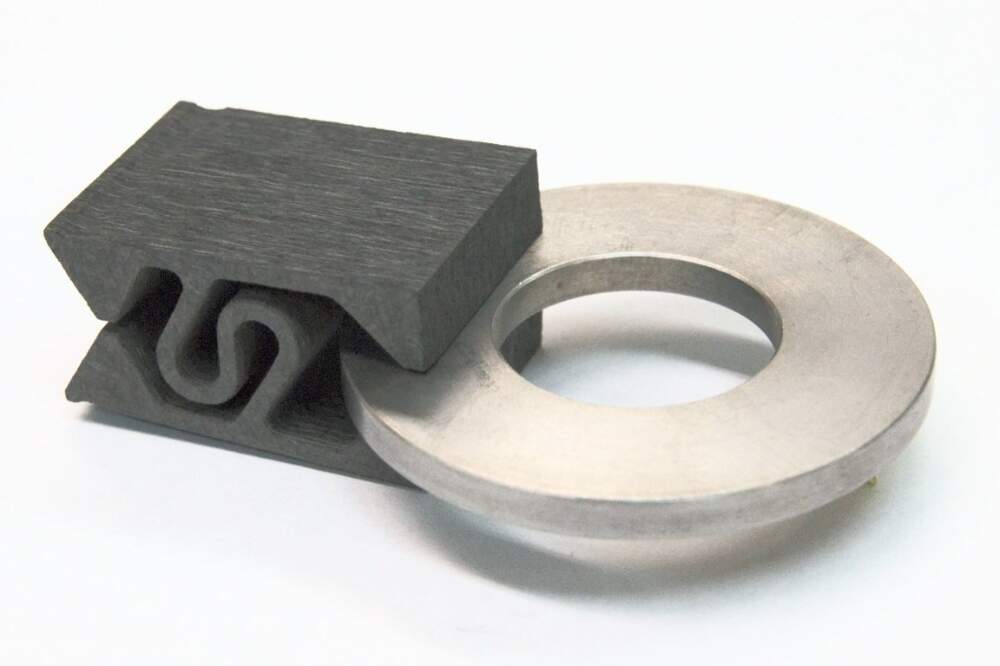
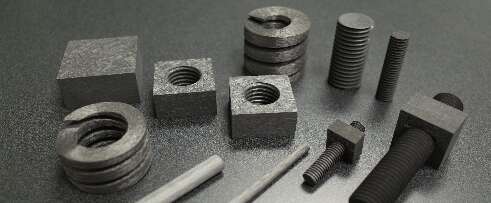
  • Processing Capabilities: Thread cutting, corrugated shapes, pocketing, large-scale assemblies through joining, embedded components.
  • Processing Methods:
    • Cutting & Machining: Similar to graphite materials, using advanced precision techniques.
    • Water Jet (WJ) Processing: Ensures clean cuts with minimal material stress.
    • Other Processing Methods: Custom shaping, diamond saw cutting, and laser-assisted precision machining.

Specifications

  • Maximum Length: Up to 2000mm
  • Tolerances: Generally JIS intermediate grade
  • Machining Equipment Capabilities: CNC Milling, Lathe/Turning, Sawing, Sanding/Grinding, Boring, Programming, Inspection, Packaging

Preformed Yarn (PY) Method

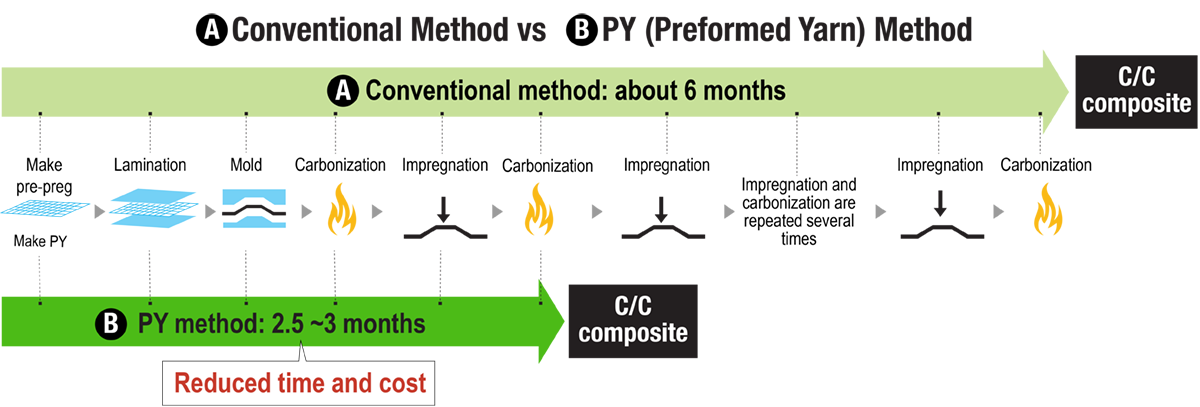
Our proprietary Preformed Yarn (PY) method revolutionizes C/C manufacturing by simplifying traditional impregnation and CVD processes, significantly reducing production times and costs.

Advantages of the PY Method

  • Faster production cycles: Reduces process complexity compared to conventional methods.
  • Cost reduction: Fewer processing steps lower manufacturing costs.

Process Optimization

Traditional C/C Manufacturing requires extensive processing time and multiple complex stages. Our PY Method simplifies production by pre-mixing carbon fibers with a controlled matrix powder, enclosed in a resin sleeve. This allows for streamlined handling and more efficient processing.

Process Flow

➞ Raw Material → Preformed Yarn Manufacturing → Sheet Production → Cutting & Stacking → Molding → Carbonization & Graphitization → Machining → Finished Product
Fiber Orientation

By controlling fiber orientation and length, we can customize mechanical and thermal properties for different applications.

Fiber Alignment Types

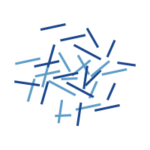
  • Random & Orthogonal Orientation
  • X & Y Direction Control
  • Z Direction (Lamination Direction): Determines thickness properties
Fiber orientation Fig. Fiber length Features Application
Multi-directional Short fiber / FS140, FS740 Well suited for precision machined parts and complex components
  • Bolts
  • Nuts
  • Precision jigs
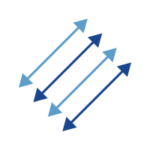
Bi-directional (0°/90°) Long fiber / FS240 Most common use in the heat-resistance field
  • Trays
  • Plates
  • Large-size components
Unidirectional Long fiber Long rods with maximum bending strength
  • High-strength rods
  • Springs
  • Pins

Brazing Fixtures with Carbon-Carbon (C/C) Springs

Using Carbon-Carbon (C/C) springs as brazing fixtures provides significant advantages over traditional metal-based fixturing methods. These springs offer a lightweight yet high-strength solution, enhancing processing efficiency, precision, and energy savings in high-temperature applications.
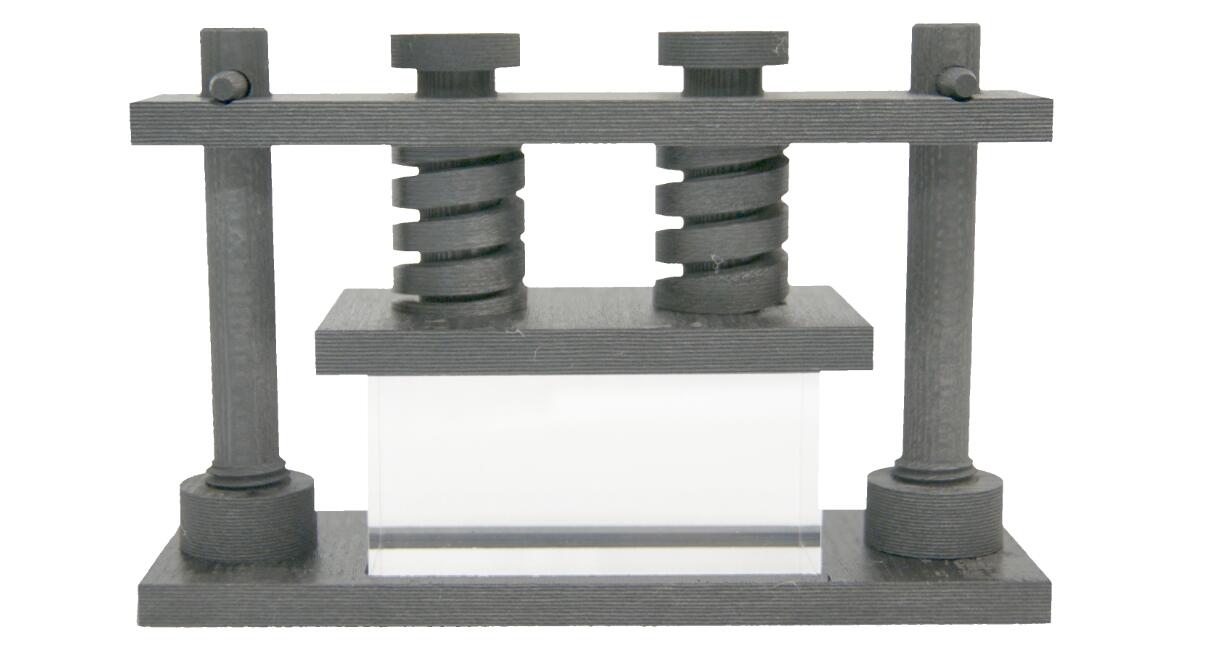
Brazing Fixtures with Carbon-Carbon (C/C) Springs

Key Advantages of C/C Springs in Brazing

  • Lightweight Yet Powerful: Delivers high compressive force while reducing fixture weight, improving handling and efficiency.
  • Versatile Shapes & Customization: Available in coil, E-shape, and flat plate designs to suit various brazing needs.
  • Energy Efficiency: Reduces heat capacity demands, cutting energy consumption and processing costs.
  • Minimized Thermal Expansion: Maintains dimensional stability, ensuring precise force application across multiple heat cycles.

Energy Consumption Reduction with C/C Springs

Switching to C/C fixtures can drastically reduce energy costs and processing times:

  • Lighter Jigs = Lower Heat Capacity Needs: Traditional metal jigs absorb more heat, increasing energy consumption. C/C jigs, which are up to 70% lighter, reduce this demand.
  • Faster Heat Treatment Cycles: The reduced thermal mass allows for shorter heating and cooling times, improving overall production efficiency.
  • Energy Savings: Based on real-world brazing tests, switching from metal to C/C fixtures leads to a reduction in heat capacity requirements, lowering operational costs.
  • Optimized Thermal Efficiency: Traditional metal fixtures waste most of the applied heat, delivering minimal energy to the actual parts. In contrast, Across-CFC’s C/C fixtures transfer over 50% of that energy directly to the target components, maximizing thermal efficiency and process performance.

How Carbon Springs Enhance Brazing Efficiency:
In high-temperature brazing applications, maintaining precise and consistent pressure on components is critical to ensuring strong, defect-free joints. Carbon-Carbon (C/C) spring fixtures provide a lightweight yet powerful solution for applying controlled force throughout the brazing process.

The Role of C/C Springs in Brazing Fixtures

  • Controlled-Force Weighting: Ensures proper alignment and contact of parts during heating.
  • Stable Across Multiple Heat Cycles: Maintains consistent pressure without weakening over time.
  • Superior to Metal Springs: Unlike traditional metal fixtures, C/C springs do not degrade from fatigue or thermal stress.

Key Benefits of C/C Springs in Brazing Applications

  • Enhanced Joint Integrity: Provides even pressure distribution, minimizing brazing defects and inconsistencies.
  • Significant Energy Savings: Reduces heat absorption, cutting down energy costs.
  • Improved Processing Efficiency: Faster heat-up and cool-down times accelerate production cycles.
  • Lightweight and Ergonomic Design: Less weight and load impact for operator handling.
  • Extended Fixture Lifespan: Resists deformation and fatigue, ensuring long-term durability.
  • Reduced Maintenance Requirements: Unlike metal fixtures, C/C fixtures do not warp or degrade, maintaining consistent performance with minimal upkeep.
Spring Jig Benefits Report

Stress Analysis

For load-bearing C/C structures, we conduct detailed stress analysis and structural optimization.

Key Engineering Areas

  • Finite Element Method (FEM) Simulations: Provides predictive analysis of load distribution and stress points.
  • Stress & Load Calculations: Ensures safe mechanical integrity under operational conditions.
  • Rotational/Centrifugal Force Analysis: Prevents structural failure in high-speed applications.
  • Thermal Expansion Effects: Analyzes deformation risks under high temperatures.

Why C/C?: Unlike metals, C/C retains its strength and elasticity at high temperatures, minimizing failure risks.

Thermal Conductivity Analysis

Our thermal analysis capabilities optimize performance in high-temperature applications.

Key Thermal Analysis Areas

  • 1. Temperature Distribution Simulation: Identifies hot spots and cooling inefficiencies.
  • 2. Heat Flux (Thermal Flow) Evaluation: Quantifies thermal energy movement within the material.
  • 3. Thermal Stress Prediction: Prevents cracking and deformation under heat exposure.
  • 4. Heat Transfer Efficiency (Thermal Conductivity) Analysis: Determines heating/cooling rates for optimized processing.

Material Selection Based on Operating Conditions:

2000°C Grade vs. 2500°C Grade: We provide tailored material recommendations based on thermal environment needs.
Partner with Across-CFC: Advanced Manufacturing for the World's Toughest Challenges
We invite you to explore how our carbon-carbon composite solutions can transform your operations, enhance efficiency, and drive sustainability.

Contact
02 SOLUTIONS

Design Consultations

Expert consultations to assess current challenges, improvement areas, and engineering goals, covering

Design Consultations
  • Processing products and furnace requirements: Dimensional requirements, weight/load, batch type or continuous type.
  • Operating environment analysis: Vacuum, inert gas, or atmospheric and operating cycle and temperature conditions.
  • Mechanical durability assessment: Impact resistance (e.g., handling stress, drops, impacts).
  • Product lifecycle considerations: Durability, batch size, processing time reduction.
  • Cost & scalability review: Budget planning, production volume, implementation schedule.
  • Sample Testing & Feasibility Analysis: Prototyping and preliminary evaluation.

Our engineering team works closely with customers to define precise performance targets and select optimal materials for their applications.

Material Development

Custom material development based on mechanical properties, thermal resistance, and processing requirements.
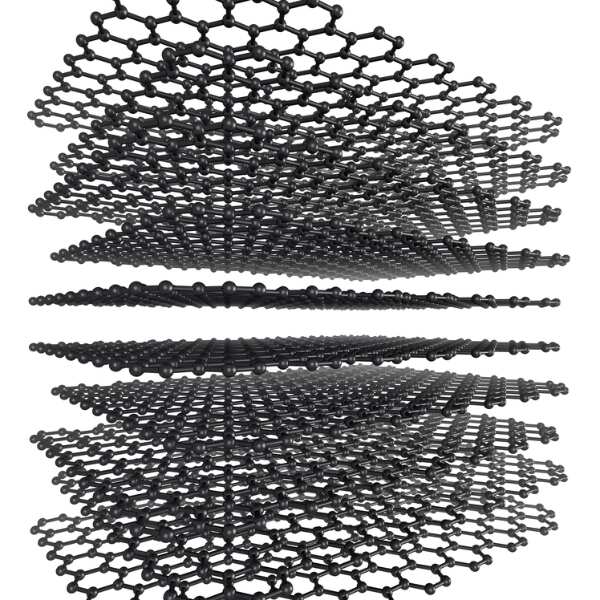
Material Development
  • Standard vs. high-density materials: Selection based on application needs.
  • CTE (Coefficient of Thermal Expansion) optimization: Tailoring material expansion properties.
  • Processing compatibility: Ensuring seamless machinability and surface stability.
  • Specialized material solutions for high-temperature and high-stress environments.:

Beyond standard materials, we also offer custom-engineered C/C composites with enhanced strength and performance for extreme conditions.

Design Analysis & Proposal

Technical feasibility assessments and structural engineering optimizations to enhance performance and durability.

Design Analysis & Proposal
  • Load-bearing calculations: Ensuring mechanical strength under defined stress conditions.
  • Deflection and deformation analysis: Evaluating material behavior under operational forces.
  • Heat conduction simulations: Optimizing thermal performance for high-temperature applications.
  • Weakness analysis & failure prevention: Identifying and reinforcing structural vulnerabilities.

CFC Design integrates advanced modeling and analysis techniques to deliver highly optimized and application-specific C/C composite designs.

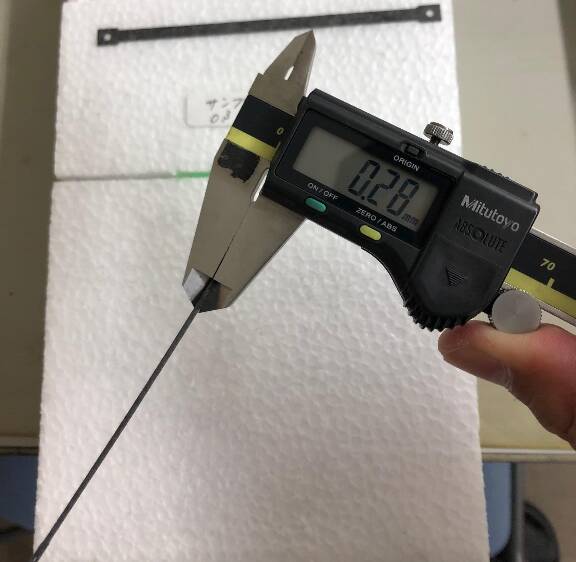
Precision Machining & Fabrication

State-of-the-art machining technology ensures high precision and quality for C/C components.
Precision Machining & Fabrication

Machining Capabilities

  • Cutting Technologies:
    • Diamond saw cutting
    • Water jet cutting
    • CNC machining with carbon-specialized tools
  • Drilling & Pocketing:
    • Thread cutting, corrugated shaping, pocketing, large-scale joining, embedding.
  • Dimensional Accuracy:
    • Supports Metric & US inch measurements
    • Tolerances: JIS intermediate grade

Since C/C composites are reinforced with carbon fibers, they exhibit higher hardness than graphite, requiring specialized cutting tools to minimize wear.

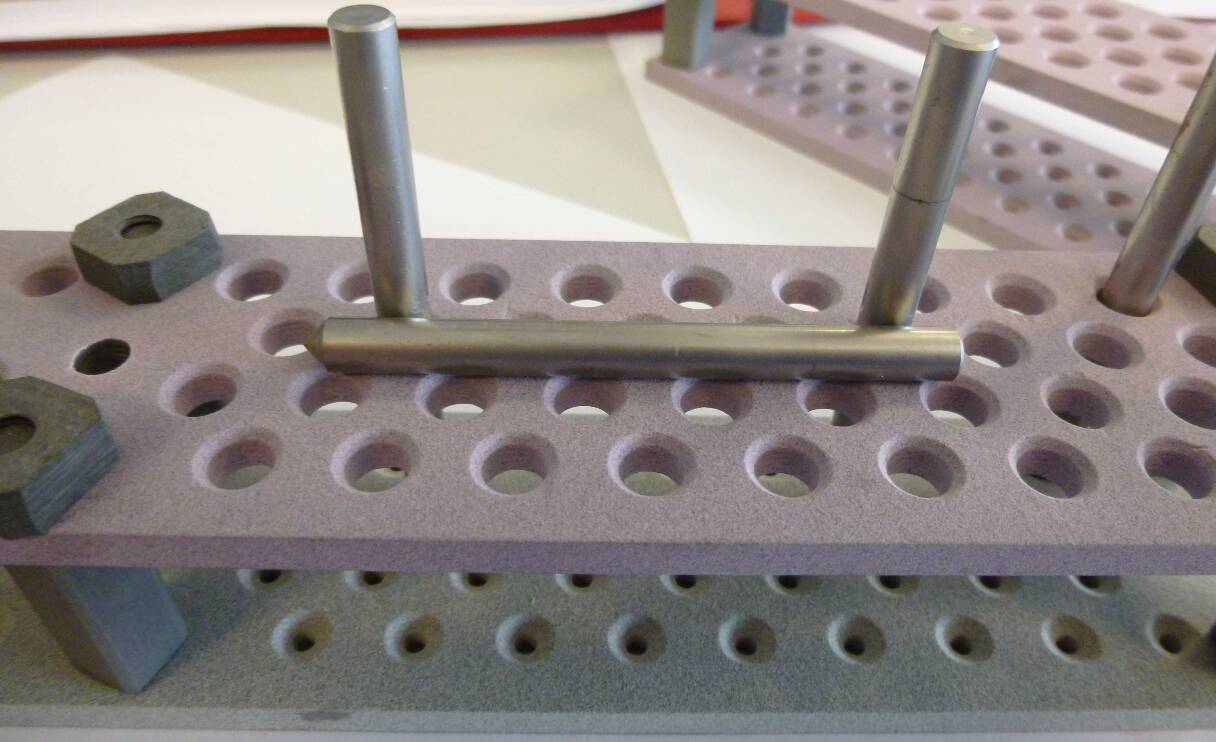
Surface Treatments & Coatings

Tailored surface treatments enhance durability, contamination prevention, and heat resistance.
Surface Treatments & Coatings
Coating Methods
5-1. Coating Methods

Protective coatings for oxidation resistance, contamination prevention, and surface separation:

  • Deposition Methods
  • Spray Coatings
    • Thermal spray coatings for carburization prevention.
  • Infiltration Treatments
    • Si-Slurry Coating: High-temperature oxidation protection.
    • Glassy Carbon (AC) Coating: Reduced dust and contamination prevention.
    • Nickel Plating: Enhanced conductivity and durability.
Other Protective Coating Options:
  • Phosphoric aluminum coatings
  • Master-seal surface protectants
Purification Services
5-2. Purification Services
  • High-purity C/C composites available, including FS140 (2500°C grade).
  • Halogen-based purification services to minimize impurity content.
  • Ash content and purification data available for reference.
Joining Process
5-3. Joining Process
  • Graphite Bonding: Specialized adhesives for secure C/C and graphite assembly.
Engraving Options
5-4. Engraving Options
  • Machined engraving: Precision engraving via CNC.
  • Laser engraving: High-resolution marking and surface processing.
Supplemental Materials
5-5. Supplemental Materials

We provide additional material solutions based on customer requirements, including:

  • Graphite materials available in Cold Isostatic Pressed (CIP), extruded, and molded grades
  • Ceramics for high-temperature applications

Export & International Logistics

Comprehensive export assistance, including:

Export & International Logistics
  • Export permit applications and compliance support.
  • International shipping and customs clearance assistance.
  • Product classification (Controlled & Non-Controlled Goods).
    • As per Japan’s Foreign Exchange and Foreign Trade Act, C/C products require an official export permit.

Our logistics team ensures seamless global deliveries, managing compliance and regulatory processes.

Follow-Up & Performance Review

Post-delivery support to monitor product performance and identify further optimization opportunities.

Follow-Up & Performance Review
  • Early problem detection: Identify potential product issues before they escalate.
  • Continuous performance improvements: Refinements based on operational feedback.
  • Long-term support & consultation: Ensuring ongoing efficiency and reliability.

We work closely with our customers to ensure that Across-CFC’s C/C solutions meet evolving performance needs over time.

Partner with Across-CFC: Better processes, better materials. Revolutionize your business today.

Contact
quick contact:
we're on social media: